
REVIEW · CANCUN CENOTE TOURS
Birds of the Mayan World 2 / Route of the cenotes
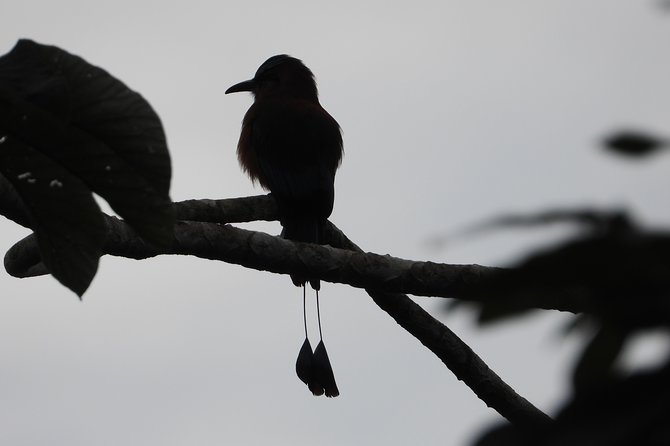
Binoculars beat pool chairs on this tour. Birds of the Mayan World 2 / Route of the cenotes turns part of the Riviera Maya into a bird-watching route where biodiversity comes first, with low-impact trail habits and a guide who knows how to read the habitat. I love how the experience centers on finding real birds, not just taking a walk.
I also like the practical birding payoff: José Gil Paz Gutiérrez helps you build an eBird checklist in real time, so your sightings have a home immediately, and the tour includes light breakfast and lunch tacos. One thing to consider is that it calls for moderate physical fitness and it does depend on good conditions, so come ready to walk and to be flexible.
In This Review
- Key points before you go
- Riviera Maya birding that feels like real nature, not a performance
- Getting there: meeting point, pickup, and the private-group feel
- The 4-hour rhythm: trails, birding focus, and low-impact pacing
- What you’re really hunting: birds, endemics, and lifer energy
- José’s method: real-time eBird tracking and calm, effective spotting
- Toucan moments and why timing matters (even in the evening)
- The Mayan plant layer: learning habitat with cultural connections
- Photography-friendly birding: how to get good shots without stressing wildlife
- Food on the trail: light breakfast, lunch tacos, and local taste
- Weather and packing: what the tour needs from you
- Value check: why this tour is worth it for bird nerds and casual nature lovers
- Should you book Birds of the Mayan World 2 / Route of the cenotes?
- FAQ
- Where does the tour start?
- How long is the Birds of the Mayan World 2 / Route of the cenotes tour?
- Is hotel pickup offered?
- Is this a private tour?
- What language is the tour offered in?
- Do I need a certain fitness level?
- What happens if weather is poor or I need to cancel?
Key points before you go
- Low-impact birding on Riviera Maya trails with an emphasis on biodiversity
- José Gil Paz Gutiérrez’s birding + Mayan plant knowledge, useful for understanding habitat
- Real-time eBird checklist so you can log sightings right away
- Spotting help in thick brush, including a laser technique used without disturbing birds
- Light breakfast and lunch tacos that keep the pace comfortable
Riviera Maya birding that feels like real nature, not a performance
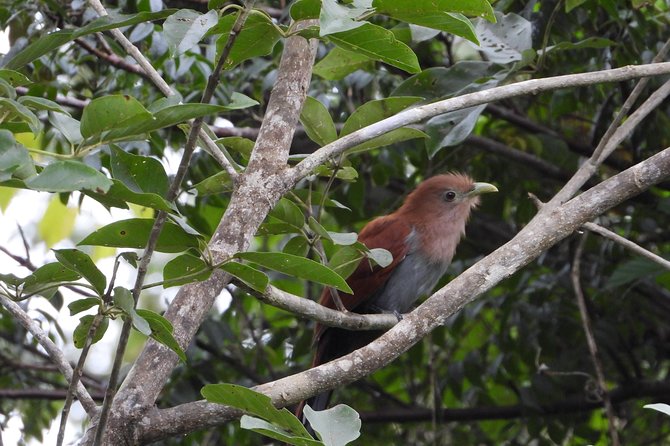
This tour is built around the idea that birds are tied to the plants, the water, and the quiet details of the area. Instead of racing from one staged stop to another, you’re walking trails where you’re encouraged to notice what’s going on around you—calls, movement in canopy edges, and those brief moments when a bird finally commits to view.
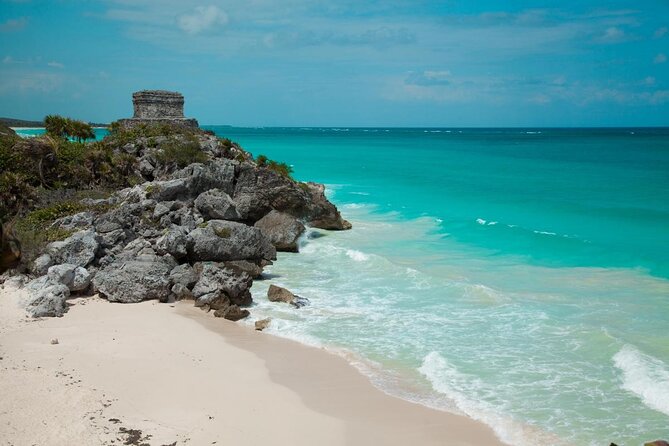
The cenotes are part of the tour identity, and while your exact focus can shift with conditions, the main point stays the same: you’ll be in the part of Quintana Roo where jungle and water shape wildlife activity. If your brain likes cause-and-effect—if you want to understand why birds show up where they do—you’ll feel right at home here.
And yes, you can still have fun even if you’re not a life-list machine. One solo birder-style visitor got toucan-level excitement, and even in less-than-perfect weather they still turned up a solid mix of species. That’s usually the best sign of a good bird guide: they don’t rely on luck alone.
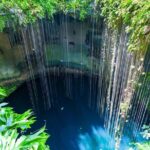
Cooler water below ground, more Cancun cenotes
- Chichen Itza, Cenote, and Valladolid Tour★ 5.0 · 24,293 reviews
- Chichen Itza, Cenote & Valladolid Tour with Tequila and Lunch★ 4.5 · 15,789 reviews
- Cancun: Chichen Itza, Cenote & Valladolid Tour with Lunch★ 4.6 · 6,722 reviews
Getting there: meeting point, pickup, and the private-group feel
The tour starts at Flamboyán, Smz 18, 77580 Puerto Morelos, Q.R., Mexico, and it ends back at the same meeting point. If you’re staying in the hotel zone nearby, pickup is offered, which makes it easier to skip the logistics headache and just show up ready to walk.
It’s also a private tour/activity, meaning only your group participates. In plain terms, you’re not fighting for space in a swarm of binoculars. That matters for bird watching because good sightings often come with quick angles—someone needs to be ready to look, not to wait their turn.
Timing-wise, there’s a listed late-afternoon window on Mondays (4:00 PM–4:30 PM). Your booking confirmation will tell you the exact start time for your date, so I’d treat your confirmation as the source of truth and not the posted window.
The 4-hour rhythm: trails, birding focus, and low-impact pacing
The experience runs about 4 hours, and the structure is simple. You’ll move along trails in the Riviera Maya area, and the guide focuses heavily on bird activity, with time for looking, logging, and learning as you go. You’ll also spend time observing the surrounding flora and fauna—because in this part of the world, the birds you want are rarely far from the plants they depend on.
Low-impact tourism shows up in how you walk and how you wait. In this kind of birding, you learn quickly that rushing usually means missing the best moments. The guide’s job is to help you slow down without feeling stuck.
Physical expectations are real, though not extreme. The tour is listed for moderate physical fitness, which usually means walking on uneven ground and being comfortable staying on your feet for the duration, especially if the guide adjusts the route based on where birds are responding.
What you’re really hunting: birds, endemics, and lifer energy
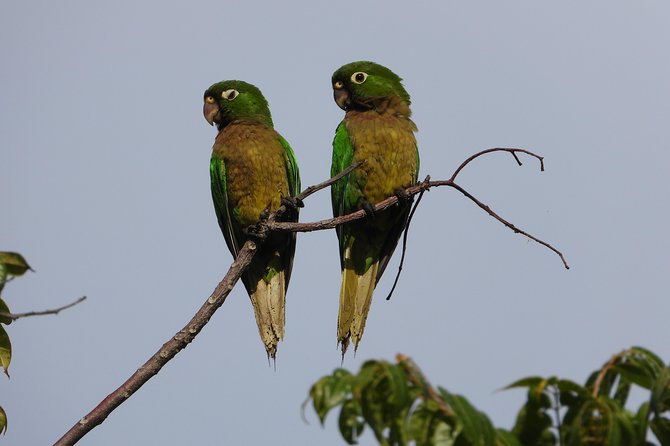
The headline here is bird watching in Quintana Roo, with the chance to observe endemic species. In birding terms, endemics are the kind of sightings that make you feel like you’re connecting to a place rather than just checking a box.
From what the guides achieve on the ground, you can expect a meaningful number of species. One guest logged 68 birds with “many lifers.” Another saw 43 species despite rainy weather. A beginner-friendly group still managed 30 species with patient help. Exact results vary by date, time, and weather, but the pattern is consistent: the guide keeps finding birds, not just pointing at empty branches.
You’ll also notice that birding isn’t only about the birds that are easy to see. A good guide helps you notice the ones that are harder—those flashes of color in the canopy, the quick silhouettes, the birds that only show for a few seconds. That’s where the guide’s technique matters.
José’s method: real-time eBird tracking and calm, effective spotting
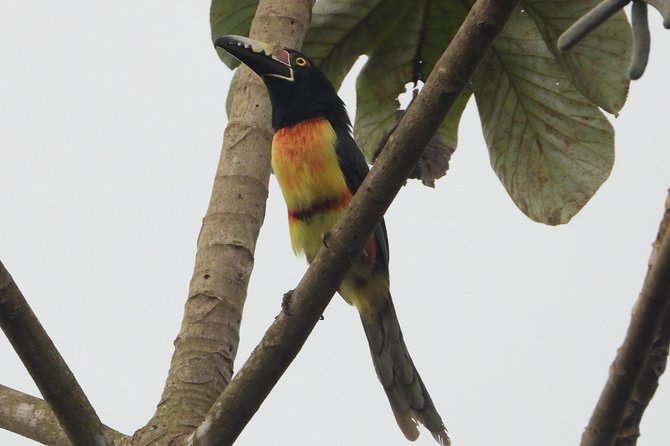
One of the most useful tools on this tour is how you’re helped to track your sightings. José uses an eBird checklist in real time, then sends it to you at the end. For me, that’s a big deal because birding memory is slippery. When you can log immediately, you don’t spend the next day trying to reconstruct what you saw, or guessing on uncertain IDs.
José also has a specific approach for seeing birds in thick brush: he uses a laser pointer to help locate where the bird is, and he does it in a way meant not to disturb birds. In thick vegetation, a bird can be there but totally invisible to your eyes—until the guide points you to the right branch and angle. The technique is about accuracy and patience, not forcing the bird to perform.
Learning also flows naturally. José has an endemic botany background, and that shows up in how he connects birds to habitat. If you’re the type who wants to understand why something is happening, you’ll appreciate that the tour isn’t only a list of species—it’s a guide to how the ecosystem works.
Toucan moments and why timing matters (even in the evening)
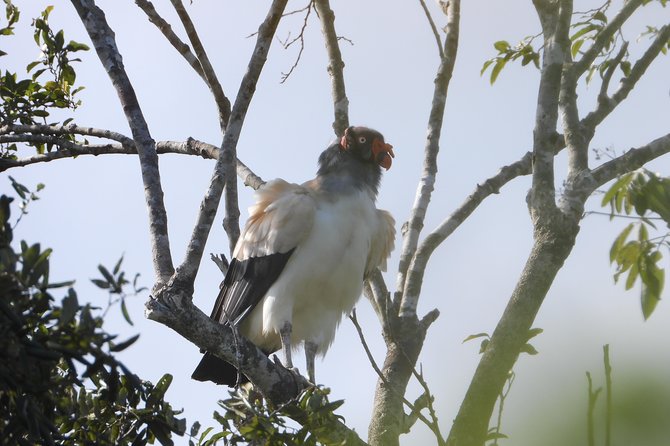
Bird activity can change by hour. If you’ve ever tried birding in the middle of the day, you know it can feel like the birds are on strike. Here’s the good news: even when conditions mean you’ll likely see fewer birds than peak windows, you can still get stunning results.
A solo guest who couldn’t make an early-morning departure ended up on an evening private outing. Even with lower activity, the highlight was a toucan sighting—complete with that memorable “main character” beak presence people talk about. The point for you: choose your departure based on your schedule, but don’t assume later times are automatically a waste. A skilled guide can work the birds that are still moving.
The Mayan plant layer: learning habitat with cultural connections
Birding gets more fun when you understand what you’re walking past. This tour adds a Mayan plant and historical-use layer that’s directly relevant to the ecosystem.
José uses his botanical knowledge to explain Mayan plants and their historical significance, including roles in rituals, medicine, and cooking. Even if you’re mainly there for birds, this kind of context helps you notice patterns: which plants attract insects, which flowers draw attention, and how the jungle supports a whole chain of life.
It also changes the pace of the walk. Instead of a constant “bird, bird, bird,” you get a more balanced rhythm: look for birds, then understand the plants that make the birds possible.
Photography-friendly birding: how to get good shots without stressing wildlife
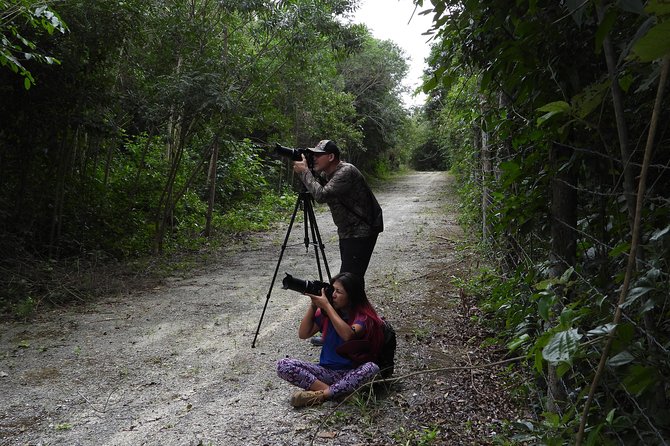
If you care about photos, this is a strong option. The tour is described as great for photographers, and that makes sense: you’re not in a crowd, and your guide’s job is to help you see what’s there. Quiet spotting helps your camera work too, because constant movement and noise usually means birds go silent or disappear.
A practical mindset helps here. When you hear a call or spot motion, try to hold your settings steady and focus on getting the bird in frame quickly—then let the bird do what it does. The guide’s laser-pointer method can help you locate the bird in thick foliage, but the real trick is calm observation rather than frantic repositioning.
Also, this tour isn’t presented as a hard-sprint “lister-only” mission. One guide paced things relaxed, which works well if you want a friendly introduction to birding or you’re here to learn as you go.
Food on the trail: light breakfast, lunch tacos, and local taste
For a 4-hour walk, having food taken care of is a real convenience. The tour includes a light breakfast and some tacos for lunch, and people call the local food genuinely excellent.
That matters more than you might think. Birding depends on your attention, and attention drops fast when you’re hungry. A small, planned meal helps you stay comfortable enough to keep looking—especially if the guide keeps shifting the route based on where birds are responding.
Weather and packing: what the tour needs from you
This activity requires good weather. If conditions don’t cooperate, you’ll be offered a different date or a full refund. In other words, the tour has to work with the environment, not against it.
Rain can happen, and in at least one experience, people still saw a lot of species even with rainy weather. That suggests the route isn’t always a total stop if light rain moves through, but you should still pack for changing conditions.
For moderate physical fitness walks, wear shoes you trust on uneven ground. Bring layers if you get cool from shade and late-day air. And if you use binoculars often, you’ll probably appreciate having them ready—this kind of birding is built around looking.
Value check: why this tour is worth it for bird nerds and casual nature lovers
Here’s what drives value on this experience:
- You get a private birding-focused guide rather than a generic nature walk.
- You receive a real-time eBird checklist (with the chance to receive it after the tour), which saves you from post-trip guesswork.
- You learn as you watch, thanks to José’s botany-and-birds perspective and the Mayan plant connections.
- You’re fed with light breakfast and lunch tacos, which is genuinely helpful for a 4-hour outing.
- You get help seeing birds in thick brush, including a spotting method designed not to disturb wildlife.
If you want to be outside, look long and carefully, and come away with both sightings and understanding, this tour fits well. If you’re chasing only a tightly scheduled “see X species at any cost” goal, you may find the pace more relaxed. But even then, the quality of guidance and the ability to log sightings correctly make it a smart pick.
Should you book Birds of the Mayan World 2 / Route of the cenotes?
I’d book it if:
- You like birding with a guide who can explain what you’re seeing.
- You care about accurate logging, not just a vague memory of colors and shapes.
- You want a calmer alternative to the Cancun hotel zone rhythm.
- You’re open to a moderate walking experience and you’re okay with wildlife-driven timing.
I’d think twice if:
- You want zero walking and zero unpredictability.
- You’re only interested in a high-energy sprint style of birding without time for learning.
One more practical note: because the tour depends on weather, keep your schedule flexible around that date. If bad weather cancels things, you’ll get options like a different date or a full refund, which makes the decision a lot less stressful.
If your inner bird nerd is ready—especially if toucans are on your wish list—this tour has a clear path to a memorable outing. And if you’re traveling solo, the vibe is described as comfortable and safe, which is exactly what you want when your main plan is to spend time outdoors.
FAQ
Where does the tour start?
The tour starts at Flamboyán, Smz 18, 77580 Puerto Morelos, Q.R., Mexico.
How long is the Birds of the Mayan World 2 / Route of the cenotes tour?
It lasts about 4 hours.
Is hotel pickup offered?
Yes, pickup is offered.
Is this a private tour?
Yes. It’s listed as private, so only your group participates.
What language is the tour offered in?
The tour is offered in English.
Do I need a certain fitness level?
You should have a moderate physical fitness level.
What happens if weather is poor or I need to cancel?
The experience requires good weather. If it’s canceled due to poor weather, you’ll be offered a different date or a full refund. Free cancellation is available up to 24 hours in advance for a full refund.
More Tour Reviews in Cancun
- Chichen Itza, Cenote, and Valladolid Tour★ 5.0 · 24,293 reviews
- Chichen Itza, Cenote & Valladolid Tour with Tequila and Lunch★ 4.5 · 15,789 reviews
- Cancun: Chichen Itza, Cenote & Valladolid Tour with Lunch★ 4.6 · 6,722 reviews
- Early morning Chichen Itza Tour: Cenote and Tequila Tasting★ 5.0 · 6,657 reviews
- Private Roundtrip Transportation from Cancun Airport to Cancun Hotel Zone★ 5.0 · 5,086 reviews
- Cancun ATV Jungle Adventure, Ziplines, Cenote and Tequila Tasting★ 4.5 · 4,873 reviews
More Cancun Cenotes Worth the Swim
- Chichen Itza, Cenote, and Valladolid Tour★ 5.0 · 24,293 reviews
- Chichen Itza, Cenote & Valladolid Tour with Tequila and Lunch★ 4.5 · 15,789 reviews
- Cancun: Chichen Itza, Cenote & Valladolid Tour with Lunch★ 4.6 · 6,722 reviews
- Early morning Chichen Itza Tour: Cenote and Tequila Tasting★ 5.0 · 6,657 reviews
- Cancun ATV Jungle Adventure, Ziplines, Cenote and Tequila Tasting★ 4.5 · 4,873 reviews
- Viator Exclusive: Tulum Ruins, Reef Snorkeling, Cenote and Caves★ 5.0 · 4,242 reviews
Just off the dock: the newest Cancun reviews



Cancun Cenote Tours, compared.
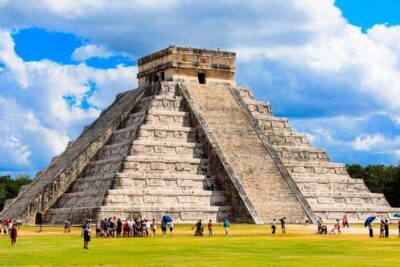 ★ 5.0Chichen Itza, Cenote, and Valladolid TourFrom $4524,293 reviews
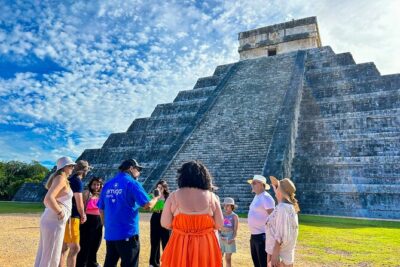 ★ 4.5Chichen Itza, Cenote & Valladolid Tour with Tequila and LunchFrom $3415,789 reviews
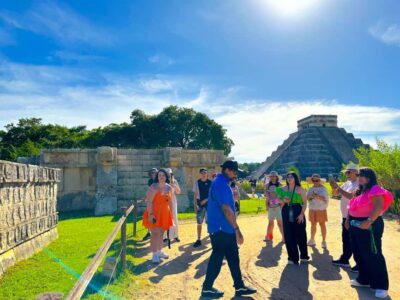 ★ 4.6Chichen Itza, Cenote & Valladolid Tour with LunchFrom $496,722 reviews
 ★ 5.0Early morning Chichen Itza Tour: Cenote and Tequila TastingFrom $266,657 reviews
 ★ 4.5Cancun ATV Jungle Adventure, Ziplines, Cenote and Tequila TastingFrom $494,873 reviews
 ★ 5.0Viator Exclusive: Tulum Ruins, Reef Snorkeling, Cenote and CavesFrom $1294,242 reviews
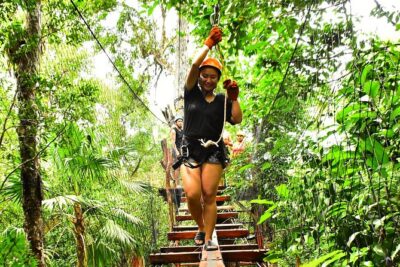 ★ 4.5ATV Adventure, Interactive Bridges, Ziplines, Cenote and LunchFrom $493,903 reviews
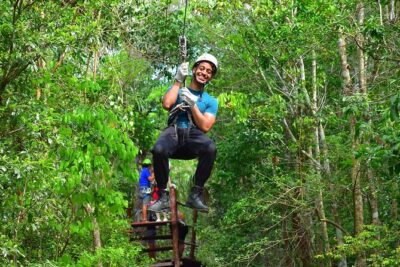 ★ 4.5Cancun Best ATV Tour, Ziplines and Cenote Swim with LunchFrom $483,406 reviews