REVIEW · CANCÚN
Birdwatching Cancun
Birds show up fast here. This 4-hour morning outing takes you out of Cancun and into the jungle corridor near Ruta de los Cenotes, where your guide helps you find birds by both sight and sound. It’s a shared group ride, but it stays small, and the goal is simple: rack up species without wasting your morning.
What I like most is the early start. You’re out around 6:00am, when birds are active and the heat hasn’t pushed them into hiding yet. Second, the guides are truly tuned to birding—spotting by call, watching movement in trees, and calling birds in when conditions allow. Names you might see in the guide pool include Carlos and Lugo, and the best part is how they turn what looks like a messy jungle into a clear checklist.
One thing to consider: it’s birding first, scenery second. This tour is about pull-offs and roadside stops, not pretty viewpoints. If you want dramatic landscapes and long walks, you may feel you’re mostly riding and scanning.
In This Review
- Key points before you go
- Ruta de los Cenotes at 6:00am: why the timing matters
- Meet the guide: how species spotting actually works here
- Getting there: Cancun and Puerto Morelos pickup, small group rides
- The birding plan: what typically happens during your stops
- Stop focus around the Cenotes route
- Moving between habitats to boost your species count
- The call-and-response window
- Breakfast timing and the water/snack reality
- Birds you can realistically expect to hear and see
- What to pack for a jungle birding morning (and what to wear)
- Value check: is $165 worth it for Cancun birdwatching?
- Who this tour suits best (and who might not love it)
- Should you book this Cancun birdwatching tour?
- FAQ
- What time does the birdwatching tour start?
- Where do we meet for the tour?
- Does the tour include pickup from hotels?
- How long is the tour?
- What’s included, and what’s not included?
- How big is the group?
- Can I cancel and get a full refund?
Key points before you go

- Small group (max 6 people), so you get real help identifying birds instead of watching from the back row.
- Ruta de los Cenotes area focuses on endemics plus migratory birds during the right seasons.
- Guides work by sound and sight, and some guides even mimic calls to pull birds out.
- You’ll likely do multiple birding stops and then a breakfast/brunch moment later in the morning.
- Air-conditioned transport, but your drive length can vary a lot based on pickup location.
- Water timing can surprise you, since one common pattern is water arriving closer to breakfast time.
Ruta de los Cenotes at 6:00am: why the timing matters
This tour starts early, around 6:00am, and that’s not just for dramatic effect. Morning is when birds are feeding and calling more often. In the first stretch of the outing, you’re typically in areas where birds can be active in the trees, and you can catch them at close range before the day turns hot.
That timing also changes your odds. One guide-led outing described birds feeding early, then using sound playback to bring in more activity before it gets too warm. Another review mentioned bird activity easing around 10:00am as the heat rose—so getting out early isn’t a nice bonus. It’s part of the bird plan.
Also, since this is a shared tour, the pace and stops are designed around maximizing sightings within a tight window. You’re not spending the day hiking. You’re spending it locating birds while they’re most willing to show themselves.
Torn between a few? Here is where this one lands among the Cancun trips:
- Chichen Itza, Cenote, and Valladolid Tour★ 5.0 · 24,293 reviews
- Chichen Itza, Cenote & Valladolid Tour with Tequila and Lunch★ 4.5 · 15,789 reviews
- Cancun: Chichen Itza, Cenote & Valladolid Tour with Lunch★ 4.6 · 6,722 reviews
Meet the guide: how species spotting actually works here
The real engine of this experience is the guide. The best outings all share the same theme: the guide doesn’t just point. They help you see and hear.
Carlos, for example, was praised for identifying birds by sight and sound, and for taking small groups into more rural spots for higher species counts. Lugo was also repeatedly praised for knowing local birds and habitats and for using calls to increase your chances. In one case, Lugo used eBird as part of birding support, and the guide also helped set expectations by checking in with slower travelers.
What you’ll feel in the field:
- You’ll learn to watch for motion first, then confirm with shape and call.
- The guide may use bird songs or call mimics to attract attention.
- You’ll likely get help with both common birds and more special targets like toucans, trogons, motmots, hummingbirds, and owls.
If you’re a beginner, that’s great. Several reviews mention the guide teaching as they went, including bird-call pointers and identifying lessons. If you’re more experienced, you’ll still benefit because the guide is working local spots and local cues, not generic theory.
Getting there: Cancun and Puerto Morelos pickup, small group rides
This is a shared tour with round-trip transportation. Pickup is offered from hotels, and it also covers the Cancun and Puerto Morelos area. The meeting point is Starbucks Plaza Caracol on Blvd. Kulkulcán at km 8.5, Centro Comercial Plaza Caracol, Punta Cancun, Zona Hotelera.
One practical note: even though it’s only about 4 hours total, your drive may be longer depending on where you’re picked up. One review said the ride from Punta Sam could be roughly 2 hours one way. The vehicle is air-conditioned, which matters early in the morning and especially after you’ve been standing around scanning trees.
Inside the rhythm of a shared birding tour:
- You’ll likely travel to the main birding corridor and then stop at multiple points.
- You’ll spend most of your time outdoors scanning and listening.
- You’ll return to the meeting point at the end.
Because there’s a maximum of 6 travelers, you get more chances to actually see what the guide finds, rather than everyone fighting for a line of sight.
The birding plan: what typically happens during your stops
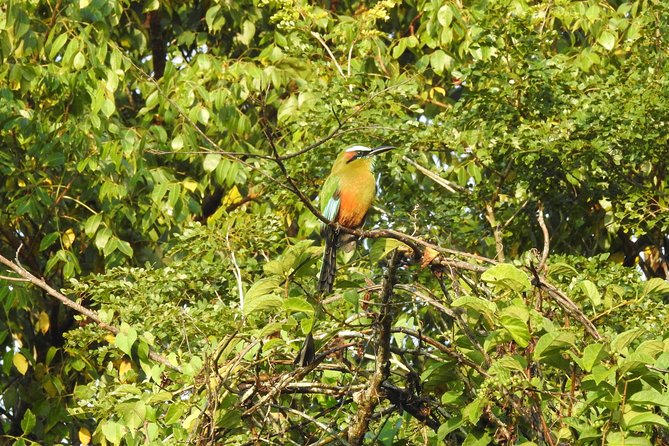
The tour centers on the jungle area near Ruta de los Cenotes. While the exact number of pull-offs can vary, the structure is consistent: drive, stop, scan, listen, then repeat.
Here’s what to expect in the field based on how the day usually plays out:
Stop focus around the Cenotes route
In the first birding sections, you’re often around trees where birds are feeding. Expect a lot of looking upward and spotting quick movement. This is where beginners can feel overwhelmed—until the guide starts calling out what they’re hearing and what they’re seeing.


Moving between habitats to boost your species count
More successful outings mention multiple habitats or different areas along a road, which helps you avoid seeing the same handful of species all morning. Some reviews describe the tour as visiting two or three spots, and others as hitting up to four stops.
This matters because bird species are tied to habitat. A guide who can shift you to the right habitat at the right moment increases your odds of adding new birds to your list.
The call-and-response window
Several guides are praised for using sound—sometimes by playing bird calls or by mimicking them. The idea is simple: if you can trigger a response from a nearby bird, it often becomes visible sooner than it would on its own.
If you’re into photography, this is the part where your camera starts earning its keep.
Breakfast timing and the water/snack reality
The tour includes snacks and soda/pop, and it also includes bottled water. But here’s the practical snag: in at least one review, bottled water wasn’t provided until breakfast time around 11:00am.
So plan like this:
- Assume snacks arrive during the morning, but bring your own backup water if you’re picky about hydration timing.
- If you’re sensitive to heat or walking around with sunglasses and a camera all morning, you’ll feel the difference.
Food timing is also linked to bird activity. One review described brunch around 10:00am, and mentioned bird activity slowing as the heat kicked in. That lines up with the general logic of tropical birding: mornings are productive, then birds ease back when the sun climbs.
Still, it’s not a wasted break. A roadside meal can be part of the day’s charm, and some reviews mention an authentic quesadilla stop as a highlight.
Birds you can realistically expect to hear and see
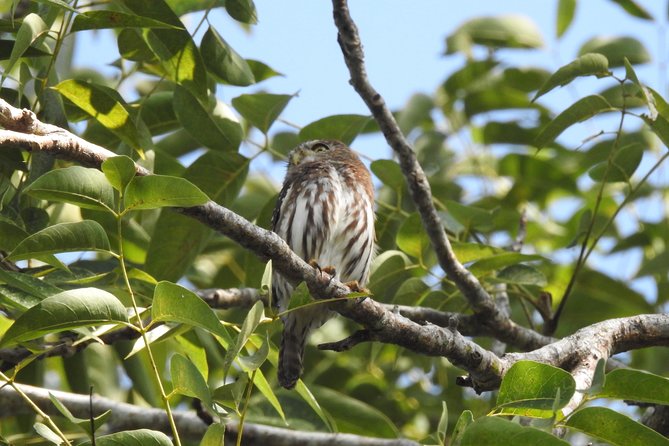
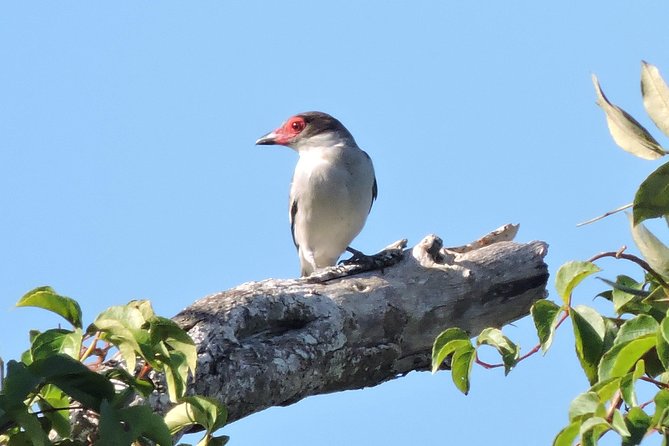
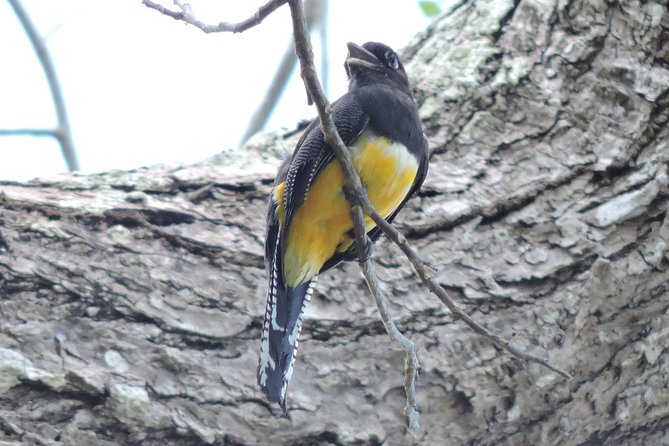
Let’s be real: no one can promise a specific bird list. But the pattern from the strongest outings is clear. Many tours report 40 to 60 species, with some days higher.
Based on the species named across the outings, you have a good shot at birds in groups like:
- Toucans and toucan relatives, including Keel-billed Toucan mentions
- Motmots, including one favorite sighting in multiple outings
- Trogons
- Hummingbirds
- Orioles
- Warblers and tanagers
- Owls, including the Ferruginous Pygmy-Owl being worked into some very successful trips
- Woodpeckers, including Yucatan Woodpecker mentions
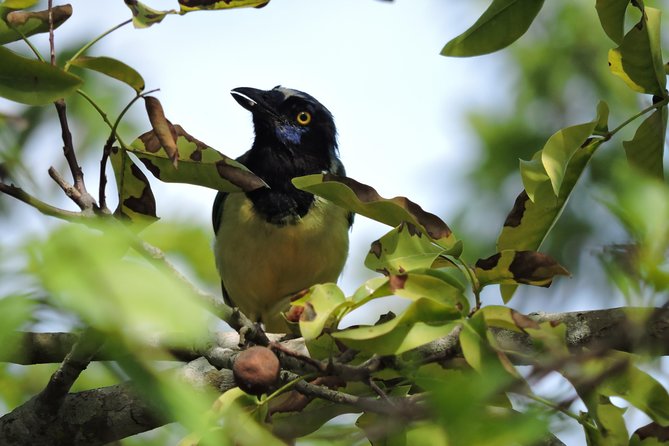
- Endemic-style favorites such as Yucatan jay
Some guides also become a kind of bird interpreter. One strong review described a guide who could mimic songs himself and even had a memorable back-and-forth with a pygmy owl. You don’t need to believe in magic for that to happen. Owls, owls especially, respond to calls and attention when conditions fit.
If you want to get ready before you go, think about building a short wish list: 8 to 15 birds you’d be excited about. Then let the guide help you chase them when possible.
What to pack for a jungle birding morning (and what to wear)
This is a jungle outing that runs in all weather conditions, so you should dress for sun and for rain risk. You don’t need hiking gear from a movie. But you do need practical comfort because you’ll be outdoors scanning for long stretches.
From what you’ll likely experience:
- Bring comfortable shoes (one review specifically calls this out)
- Pack a light layer for early mornings (a long-sleeve top was recommended)
- Have something for sun protection since the heat ramps up later
- If you use a camera or binoculars, keep them ready so you can respond quickly when the guide finds something
If the day is damp, you’ll still go. So bring a simple rain plan: a small packable layer or poncho.
Value check: is $165 worth it for Cancun birdwatching?
At $165 per person for about 4 hours, the value comes down to results and effort, not just transportation.
Here’s the value logic I’d use before booking:
- You’re paying for a local bird guide who can spot birds and call attention to them.
- You get round-trip transportation from the Cancun and Puerto Morelos area, plus snacks and drinks.
- The group is small (max 6), which reduces the problem of missed birds when you’re packed in.
- The guide performance seems to drive the biggest wins. The most praised outings mention very high species counts and strong identification help.
If you’re going to spend your morning in the jungle anyway, this kind of guide-led push is usually better odds than self-guided wandering. The jungle around Cancun looks simple on a map. In real life, it’s a maze of branches and sound. A guide turns that into a checklist.
Where the value can feel weaker is if you mainly wanted scenic views. This tour is about birds, not viewpoints. If you’re more into beaches, pick that instead.
Who this tour suits best (and who might not love it)
This is a strong fit if you:
- Want a half-day nature break from resort time
- Like birding, photography, or both
- Enjoy learning on the go, including bird calls and how to identify species
- Prefer a small group and a guide who can adjust pace for different needs
It may be less ideal if you:
- Want a long hiking adventure with big trails and heavy walking
- Are expecting constant stunning scenery rather than roadside habitat scanning
- Get impatient with the stop-and-scan rhythm
One more fit note: this tour seems to work for a mix of ages and experience levels, including family groups and slow-paced travelers, because the guide can set a comfortable pace.
Should you book this Cancun birdwatching tour?
Yes, if your priority is birds. The combination of early start, small group size, and guides like Carlos or Lugo who focus on getting you real sightings makes this one of the more practical nature excursions in the Cancun area.
Before you book, do two quick checks:
1) Make sure you’re okay with a morning that’s mostly scanning trees and listening, not sightseeing stops.
2) Bring your own backup water, just in case your bottled water shows up closer to the breakfast/brunch point.
If you want a straightforward way to swap heat and crowds for jungle birds, this is the kind of tour that can turn into one of your best half-days in the region.
FAQ
What time does the birdwatching tour start?
The start time is 6:00am.
Where do we meet for the tour?
You’ll meet at Starbucks Plaza Caracol, Blvd. Kulkulcán km 8.5, Centro Comercial Plaza Caracol, Punta Cancun, Zona Hotelera, Cancún, Q.R., Mexico.
Does the tour include pickup from hotels?
Yes. The tour offers hotel pickup or meeting point pickup, and it includes round-trip transportation for areas including Cancun and Puerto Morelos.
How long is the tour?
It runs for about 4 hours.
What’s included, and what’s not included?
Included items are bottled water, snacks, soda/pop, a birdwatching expert guide, an air-conditioned vehicle, and shared tour/transportation services. Tips are not included, and it’s not a private tour.
How big is the group?
The tour has a maximum of 6 travelers per booking.
Can I cancel and get a full refund?
Yes. You can cancel up to 24 hours in advance for a full refund. If you cancel within 24 hours, you don’t receive a refund.
More Tour Reviews in Cancun
- Chichen Itza, Cenote, and Valladolid Tour★ 5.0 · 24,293 reviews
- Chichen Itza, Cenote & Valladolid Tour with Tequila and Lunch★ 4.5 · 15,789 reviews
- Cancun: Chichen Itza, Cenote & Valladolid Tour with Lunch★ 4.6 · 6,722 reviews
- Early morning Chichen Itza Tour: Cenote and Tequila Tasting★ 5.0 · 6,657 reviews
- Private Roundtrip Transportation from Cancun Airport to Cancun Hotel Zone★ 5.0 · 5,086 reviews
- Cancun ATV Jungle Adventure, Ziplines, Cenote and Tequila Tasting★ 4.5 · 4,873 reviews