
Hands in the sea sound weird, but it works. I like the small group size (max 12) and the focus on finding sea turtles across four snorkeling spots. The main trade-off: it’s physically active, with quick jumps off the boat and repeated swim time.
This tour is set up for people who want real time in the water, not a half-day of waiting. I also appreciate that you get a short briefing lesson plus close guide supervision, which makes the whole loop feel safer and calmer.
One more thing to consider: some snorkeling gear and expectations can be a mismatch if you’re picturing a huge underwater museum scene. I’d go in ready for fewer sculptures, but still worth it for the marine life and shipwreck finale.
In This Review
- What Makes This Cancun Hands Underwater Museum Snorkel Worth Your Time
- Entering the Water: How the Tour Runs in Real Life
- Price and Real Budget: What $95 Usually Turns Into
- Getting There: Pickup Zone, Meeting Points, and Timing
- The Pace Inside the Snorkel: Boat Jumps, Swim Blocks, and Focus
- Stop One: Conserved Reef With Big School Fish Energy
- Hands Underwater Museum: Small Sculptures, Still a Story
- The Sea Grass Bed: Where Turtles, Stingrays, and Crabs Show Up
- Shipwreck Finale: White Sand and a Fish-Loaded Ending
- Guides Who Work the Water: Robert’s Search and Oscar’s Help
- Gear, Towels, and Comfort: What to Check Before You Go
- Photo and Video: Optional, But Think About It Now
- Who Should Book This Snorkel Circuit—and Who Should Rethink It
- Should You Book This Cancun Hands Underwater Museum Snorkel?
- FAQ
- How long is the snorkeling tour?
- What snorkeling spots are included in the experience?
- Is hotel pickup included, and where does it work?
- What is the price, and what extra fees should I budget?
- Are snorkeling equipment and life protection gear provided?
- Are towels and lockers included?
- Is lunch provided?
- Are photos and videos included?
- What’s the cancellation window for a full refund?
What Makes This Cancun Hands Underwater Museum Snorkel Worth Your Time
- Four snorkel environments: reef, Hands Underwater Museum, sea grass bed, and a shipwreck setup
- Small group, max 12: less crowding, easier guide attention in the water
- Likely sea turtles: the stops are chosen around sightings, not just scenery
- Close supervision with certified guides: you’ll get direction and support during every water moment
- Boat-style snorkel pace: you’ll jump in, swim in blocks, then re-board with a bit of dexterity
Entering the Water: How the Tour Runs in Real Life
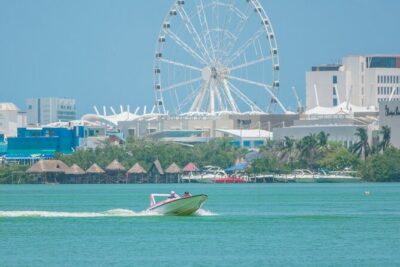
This is a hands-on Caribbean snorkeling day that moves at a steady rhythm. Plan on about 2 hours and 15 minutes total, with multiple water sessions rather than one long swim. The guides keep things organized so you spend more time looking and less time waiting.
A boat trip is part of the rhythm, and you’ll do repeated entry and exit. Based on the feedback I’m seeing in the details, that “jump in, swim, climb back” routine can feel intense if you’re not used to it. If you’re comfortable getting on and off boats and staying focused for several short swims, you’ll be fine.
The tour includes a quick briefing lesson and qualified English-speaking guides. That briefing matters because each stop has a different “you’re looking for this” vibe, from reef fish to sea grass wildlife and the shipwreck scene.
Better reef ahead: other Cancun snorkel trips
- Viator Exclusive: Tulum Ruins, Reef Snorkeling, Cenote and Caves★ 5.0 · 4,242 reviews
- Isla Mujeres: Catamaran with Open Bar, Snorkeling and Lunch★ 4.1 · 2,848 reviews
- Isla Mujeres Cruise with Beach Club, Snorkel, Lunch and Open Bar★ 4.0 · 2,383 reviews
Price and Real Budget: What $95 Usually Turns Into
The base price is $95 per person, and that gets you a lot of the heavy lifting: transportation, gear use, and the full multi-stop plan. It also includes passenger insurance, plus the day-of comforts like bottled water, shower access, towels, and lockers.
The part that can surprise people is the government fee of $15 per person, which is not included in the base price. If you’re trying to budget tightly, I’d add that right away so there are no late-day add-ons.
Then there’s the optional photo and video service. The photo package is extra cost, but it’s also the kind of thing you might actually use if you want lasting images of turtles and the shipwreck. Just know it’s optional, so you’re not forced into it.
For value, here’s my take: you’re paying for four distinct underwater moments plus round-trip transport. That’s a strong fit if you want a structured snorkeling circuit without driving yourself.
Getting There: Pickup Zone, Meeting Points, and Timing
Pickup is offered, with service focused on the Cancun Hotel Zone. The day-of confirmation should tell you the exact pickup time based on where you’re staying or meeting from.
If you’re outside the Cancun Hotel Zone, you may need to use a set meeting point. The tour notes that for places outside the main pickup area, the meeting point is Oasis Smart Centro.
There’s also a boundary for the pickup area, listed as near Hampton Inn by Hilton Cumbres within the Cancun limit zone. If you’re unsure where you fall, check your confirmation details and verify before the day arrives.
One practical note: the pickup isn’t airport-zone service. If you’re landing and hoping to roll straight into snorkeling, plan a separate transfer first.
The Pace Inside the Snorkel: Boat Jumps, Swim Blocks, and Focus
This is not a slow, float-and-chill snorkeling outing. You should expect a sequence that includes quick boat jumps, snorkeling in time blocks (around half an hour at a time), and then climbing back onboard. That last step takes a little body control, especially if the water is choppy or you’re tired.
In one example from the information shared, a guide was praised for helping people who had trouble with the physical side of the tour. That’s a good sign for what you’ll experience, but it still doesn’t remove the physical demands.
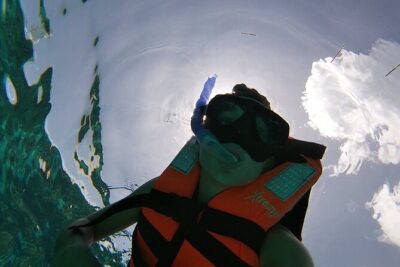
Gear comfort matters too. I saw details pointing out issues like a flotation device rubbing and fins not staying secure. That doesn’t mean it will happen to you, but it’s a reminder: if you’re prone to chafing or if your feet aren’t used to snorkeling fins, you’ll want to be ready to speak up quickly if anything feels off.
Stop One: Conserved Reef With Big School Fish Energy
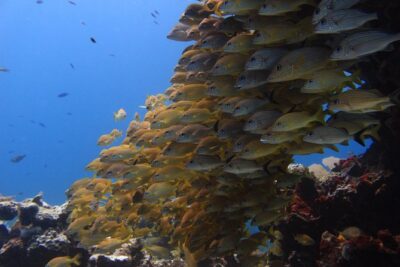
The first underwater environment is a conserved coral reef, chosen for marine life. This is where you can look for colorful tropical fish and general reef activity, with plenty to watch even if you don’t find turtles right away.
The reef stop is the kind of moment that can set the tone for the whole trip. When the water and visibility cooperate, you can get that feeling of being surrounded by fish rather than trying to find one small subject at a time.
What I like about starting here is simple: it gives you a quick win. Even if turtle sightings happen later, a reef full of fish helps you settle in fast and enjoy the rest.
Guide attention matters at reef stops because you’re moving through different patches. A dedicated guide can nudge you to where the action is instead of letting you drift into the calm but boring zone.
Stacks up well against these Cancun picks:
Hands Underwater Museum: Small Sculptures, Still a Story
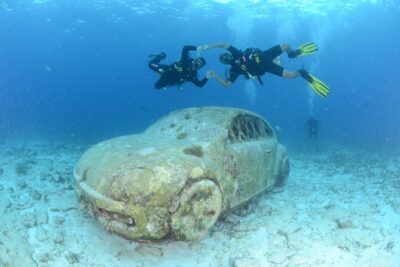
The Hands Underwater Museum stop is the signature name on this tour, and it’s exactly where you’ll see the underwater hand sculptures. The tour notes that the underwater hands are small, and it also emphasizes not visiting Meco—apparently to protect snorkeling time at additional spots.
That “small sculpture” detail changes how you should set expectations. One of the key pieces of feedback I’m taking from the experience info is that people may expect more sculptures than they actually see during the tour. You might be shown only a limited selection, not a huge spread.
Still, the idea works underwater. The hands are visually striking, and they add a human touch to a natural setting. Even if the museum part feels smaller than expected, it’s still a memorable underwater moment—especially if you’re snapping photos and watching how fish move around the sculptures.
My practical advice: treat this as an art-and-ocean bonus, not as the only reason to go. If you’re also excited about turtles, seagrass life, and the shipwreck, the stop will land better.
The Sea Grass Bed: Where Turtles, Stingrays, and Crabs Show Up
The sea grass stop is designed to feel different from the reef. Instead of focusing on coral texture and fish schools, you’re scanning for sea grass wildlife, including stingrays, turtles, crabs, and lobsters.
This is also where the “likely sea turtle” part of the tour plan becomes more meaningful. A good guide doesn’t just point at animals; they help you position yourself to spot them without chasing.
One detail I really value here is the combination of “scan, don’t chase.” In a sea grass environment, you’re often rewarded for slow, steady attention. You’ll get better sightings if you stay relaxed and watch the edges where wildlife likes to linger.
If you care most about turtles or stingrays, this is the stop to prioritize in your head. The reef is fun, but the sea grass bed is where you’re aiming for bigger, more iconic animals.
Shipwreck Finale: White Sand and a Fish-Loaded Ending
The last stop is a shipwreck sitting above a bed of white sand, with schools of colorful fish swimming around. This stop is the kind that often feels like a reward: you’ve already learned the rhythm of snorkeling, and now you’re looking at something engineered by the sea.
Shipwreck snorkeling can be rewarding for a simple reason: structure attracts life. Even if you’ve seen plenty of fish earlier, the mix of shadows, surfaces, and open sand makes it feel like a new scene.
The white sand base is also useful for spotting movement. When the bottom is bright, shadows and animals tend to stand out more, and your eyes don’t get stuck guessing where the action is.
If you’re timing your energy, save your best attention for this finale. It’s the most “story-like” stop, and it often becomes the one you remember most clearly after you’re back on the boat.
Guides Who Work the Water: Robert’s Search and Oscar’s Help
Guide quality is a major reason this tour works well. I’m seeing names tied to two different strengths.
Robert is highlighted for being dedicated to finding as much sea life as possible. That translates into a proactive approach: not just letting you float and hoping for luck, but working the spots and adjusting so you get more sightings.
Oscar is described as especially friendly and helpful. That kind of on-the-spot support matters during boat re-boarding and when you’re adjusting gear in the water.
In plain terms: a good guide helps you slow down when you need to, speed up when you need to, and stay safe the whole time. If you’re the sort of person who feels a little lost in water activities, this supervision is a big part of the value.
Gear, Towels, and Comfort: What to Check Before You Go
Equipment is listed as included, along with lockers, towels, and a shower. That sounds like a full “show up and snorkel” setup.
But comfort can still vary. If you’re sensitive to chafing, keep in mind that flotation or straps can rub. If fins don’t fit tightly, they can slip and break your rhythm mid-water, which is when enjoyment turns into frustration.
Here’s what you can do to protect your comfort without overthinking it:
- Bring or wear water shoes if you prefer secure footing.
- If you’re known for rub spots, consider a small amount of protective balm on your skin before you get in.
- When they fit you up, check that your fins feel locked and stable, then ask for adjustment if anything shifts.
Also, towels are listed as included, but you might still want to confirm what the staff provides at the end of the swim. One piece of feedback pointed out towels weren’t provided as expected. A quick confirmation the morning of (or right at pickup) can save a hassle.
Photo and Video: Optional, But Think About It Now
The photo and video service is optional and extra cost. I like that setup because it keeps the tour budget flexible—no pressure to buy.
If you’re paying for a turtle or shipwreck memory, photo packages can be worth it, especially if you’re not comfortable managing your own camera underwater. Some people also prefer having the images handled for them, since getting the framing right while snorkeling takes a lot of brain power.
My advice: decide what matters to you. If you want quick personal keepsakes, the photo option can justify itself. If you prefer low-cost travel and will rely on your own phone attempts, skip it and focus on the experience.
Who Should Book This Snorkel Circuit—and Who Should Rethink It
This tour suits you if you want structured snorkeling with four different underwater stops and close guide support. It’s also a good fit if you’re excited about turtles and other marine life tied to reef and sea grass habitats.
It may be less ideal if you:
- Feel uneasy with physical boat entry and exit.
- Need long, slow water time rather than repeated short swims.
- Get easily frustrated by gear that doesn’t fit perfectly.
If you’re traveling with anyone who has limited mobility or low tolerance for exertion, I’d treat the pace as a key deciding factor. The guides can help, but the water routine itself still takes effort.
Should You Book This Cancun Hands Underwater Museum Snorkel?
I’d book it if you want a compact, efficient snorkeling day with real variety: reef life, sea grass wildlife, and a shipwreck finish, plus the hands sculptures as a bonus. The capped group size and guide focus make it feel more controlled than bigger, more chaotic boat plans.
I’d pause before booking if you’re expecting a huge underwater museum scene with lots of sculptures. The hands portion may be smaller than you picture, and one turtle-focused outing is still about spotting and patience rather than guaranteed perfection.
If you’re mainly there for marine life and want the convenience of transport and gear, this is a solid value. Just plan for the extra $15 government fee, and decide ahead of time whether you want the photo/video add-on.
FAQ
How long is the snorkeling tour?
The tour runs for about 2 hours and 15 minutes.
What snorkeling spots are included in the experience?
You’ll snorkel four spots: a reef, the Hands Underwater Museum, a sea grass bed, and a shipwreck.
Is hotel pickup included, and where does it work?
Round-trip transportation is included from hotels in Cancun (Hotel Zone). If you’re staying outside that pickup area, the meeting point listed is Oasis Smart Centro.
What is the price, and what extra fees should I budget?
The base price is $95 per person. A government fee of $15 per person is not included.
Are snorkeling equipment and life protection gear provided?
Yes. The experience includes snorkeling equipment, plus passenger insurance.
Are towels and lockers included?
Yes. Bottled water, shower access, towels, and lockers are included.
Is lunch provided?
No, lunch is not included.
Are photos and videos included?
No. Photo and video service is optional and comes at an extra cost.
What’s the cancellation window for a full refund?
You can cancel up to 24 hours in advance for a full refund. If you cancel less than 24 hours before the start time, the amount paid is not refunded.
More Museums in Cancun
- Jungle Tour & Snorkel at Punta Nizuc Reef , Underwater museum★ 4.5 · 201 reviews
- Scuba Diving Under Water Museum and Reef for beginners★ 5.0 · 189 reviews
- For certified Divers Experience the Under Water Museum and the Manchones Reef★ 5.0 · 92 reviews
- Isla Mujeres: Snorkeling Adventure at the Underwater Museum★ 4.5 · 82 reviews
- 2-Hour Snorkeling Paradise Reef in Cancún Underwater Museum★ 4.5 · 74 reviews
- Cancun: Snorkeling Tour at MUSA The Underwater Museum★ 4.7 · 73 reviews
More Tour Reviews in Cancun
- Chichen Itza, Cenote, and Valladolid Tour★ 5.0 · 24,293 reviews
- Chichen Itza, Cenote & Valladolid Tour with Tequila and Lunch★ 4.5 · 15,789 reviews
- Cancun: Chichen Itza, Cenote & Valladolid Tour with Lunch★ 4.6 · 6,722 reviews
- Early morning Chichen Itza Tour: Cenote and Tequila Tasting★ 5.0 · 6,657 reviews
- Private Roundtrip Transportation from Cancun Airport to Cancun Hotel Zone★ 5.0 · 5,086 reviews
- Cancun ATV Jungle Adventure, Ziplines, Cenote and Tequila Tasting★ 4.5 · 4,873 reviews
Better Reef: More Cancun Snorkeling
- Viator Exclusive: Tulum Ruins, Reef Snorkeling, Cenote and Caves★ 5.0 · 4,242 reviews
- Isla Mujeres: Catamaran with Open Bar, Snorkeling and Lunch★ 4.1 · 2,848 reviews
- Isla Mujeres Cruise with Beach Club, Snorkel, Lunch and Open Bar★ 4.0 · 2,383 reviews
- Reef Snorkeling & Jungle Speedboat Adventure with Mayan Ceremony★ 5.0 · 2,208 reviews
- Reef Snorkeling in National Park from Cancun with Beachside Lunch★ 4.5 · 1,781 reviews
- 5-in-1 Cancun Snorkeling: Turtles, Reef, Musa, Shipwreck, Cenote★ 4.5 · 1,678 reviews
Just off the dock: the newest Cancun reviews



Cancun Snorkeling Tours, compared.
 ★ 5.0Viator Exclusive: Tulum Ruins, Reef Snorkeling, Cenote and CavesFrom $1294,242 reviews
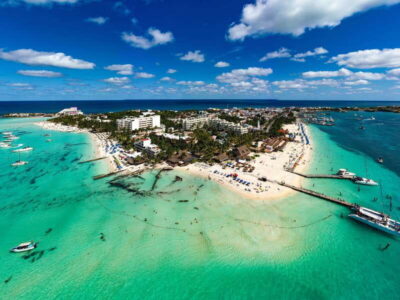 ★ 4.1Isla Mujeres: Catamaran with Open Bar, Snorkeling and LunchFrom $592,848 reviews
 ★ 4.0Isla Mujeres Cruise with Beach Club, Snorkel, Lunch and Open BarFrom $532,383 reviews
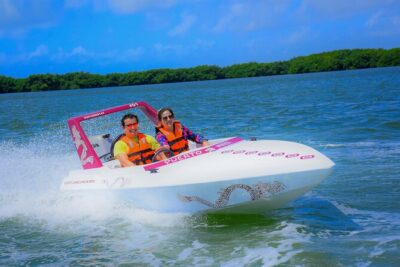 ★ 5.0Reef Snorkeling & Jungle Speedboat Adventure with Mayan CeremonyFrom $592,208 reviews
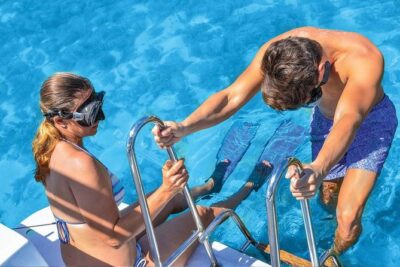 ★ 4.5Reef Snorkeling in National Park from Cancun with Beachside LunchFrom $441,781 reviews
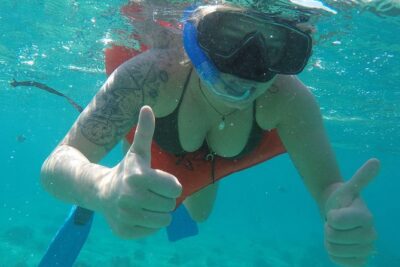 ★ 5.0Isla Mujeres Snorkeling Tour AdventureFrom $581,746 reviews
 ★ 4.55-in-1 Cancun Snorkeling: Turtles, Reef, Musa, Shipwreck, CenoteFrom $791,678 reviews
 ★ 4.5Cancun speedboat and snorkel tour: shared speedboatFrom $591,444 reviews
Browse the lists this tour appears in