
REVIEW · SCUBA DIVING
2 Tanks Scuba Diving Wreck and Reef in Cancun for Certified Divers
Shipwreck C-58 is waiting. This 2-tank Cancun outing mixes a shipwreck site (C-58 or C-55) with a second tank on the Cancun reef, all in a small group of just six. I love how equipment and wetsuits are included, which means you can travel lighter. I also like that national park entry and dock fees are included, so you avoid the common surprise add-ons. One drawback to plan around: you must follow the strict health rules and you’ll need a full 24-hour buffer before flying.
Check-in runs from about 1:00–1:30 p.m., the boat leaves at 2:00 p.m., and you’re back at the dock around 5:30 p.m. Before you get suited up, you’ll complete a medical statement and confirm your scuba certification card (physical or digital is fine). Once you’re in the system, you’ll get fitted with BCD, regulator, mask, fins, a wetsuit, plus tanks and weights.
I also appreciate the coral-protection rules: sunscreen/sunblock isn’t allowed because it can harm the reef. That means you’ll want to think ahead about sun protection—cover up, use shade when you can, and pack what you’re allowed to bring.
In This Review
- Key highlights worth knowing before you go
- Why this Cancun wreck-and-reef setup works for certified divers
- Price and value: what your $159 actually covers
- What you leave at home: the real travel advantage
- The day’s timeline: from 1:00 check-in to 5:30 return
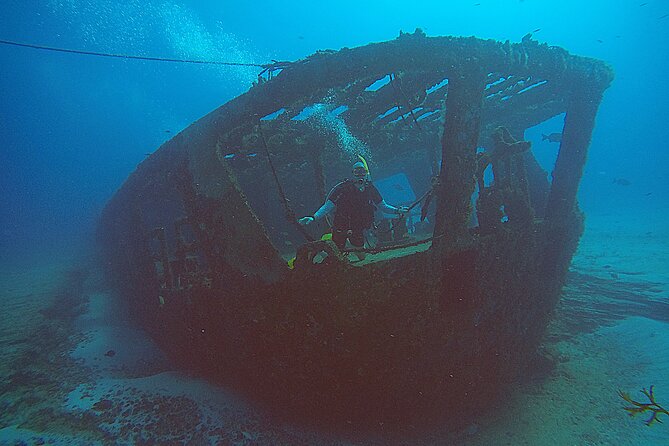
- First underwater stop: the shipwreck (C-58 or C-55)
- Second underwater stop: Cancun reef and the artificial reef zone
- Small group reality: how it feels with max 6 people
- Gear checklist: what to bring and what to avoid
- Health rules and timing: important before you book
- Who should book this 2-tank wreck and reef trip
- Should you book this Cancun wreck-and-reef trip?
- FAQ
- FAQ
- Do I need my scuba certification card?
- Are two tank sessions included?
- What scuba gear is included?
- What should I bring with me?
- Is transportation from my hotel included?
- Is sunscreen allowed?
- Are there health conditions that prevent participation?
- What if I’m planning to fly after the trip?
- How many people are in the group?
Key highlights worth knowing before you go
- Shipwreck first, reef second: C-58 or C-55 for tank one, then a reef site for tank two.
- Small group size: a maximum of 6 people keeps things calm and easier to manage in the water.
- Gear is handled for you: BCD, regulator, mask, fins, wetsuit, tanks, and weights are included.
- Fees are included up front: national park entry and dock fees are covered to help prevent hidden costs.
- Coral-safe rules on sunscreen: you’ll need to avoid regular sunblock during the outing.
- English-speaking support: the experience is offered in English.
Why this Cancun wreck-and-reef setup works for certified divers
If you’ve already got open water certification, you’re probably looking for a trip that gives you variety without turning the day into chaos. This format does that. You get two separate underwater experiences—one built around the shipwreck, the other built around the living reef area—so your time underwater doesn’t feel like repeat scenery.
The shipwreck portion is especially satisfying because it adds structure. You’re not just looking at open water; you’re moving through an artificial habitat created by the wreck itself. Then the second tank shifts focus toward marine life around the artificial reef, where you’re looking for more variety and frequent sightings.
The small group size (max 6) also matters more than it sounds. In a crowded operation, gear checks, spacing, and individual help can get rushed. Here, the day is paced so you can actually settle in.
Stacks up well against these Cancun picks:
- Diving in the Mexican Caribbean for Beginners | 2 Tanks 2 Dives | All Inclusive★ 5.0 · 431 reviews
- Two Tanks Scuba Diving for Beginners in Cancun★ 5.0 · 233 reviews
- Scuba Diving Under Water Museum and Reef for beginners★ 5.0 · 189 reviews
Price and value: what your $159 actually covers
At $159 per person for about 4 hours, this can be good value if you compare the total experience rather than just the headline number. The biggest win is that equipment and key access costs are included. You’re not paying extra for things that often show up later, like national park entry and dock fees.
You’re also getting the full package for two tank sessions: tanks and weights, plus BCD, regulator, mask, and fins. In other words, the price is built around you being ready to go when you arrive, not after you haggle or rent a bunch of add-ons.
Not included items are straightforward: photos and videos are optional, and transportation from your hotel isn’t included. So if you’re driving, walking, or using local transit, you’ll want to budget that separately.
What you leave at home: the real travel advantage
One of the best parts of this trip is how much they handle. You can leave a chunk of the gear at home and show up with basics like a swimsuit and whatever personal care items you like. The operation provides the scuba equipment: BCD, regulator, mask, fins, and they also include a wetsuit.
That makes a difference in Cancun, where packing space can be tight. Even if you own gear, traveling with tanks, wetsuits, and multiple pieces is a hassle. Here, you can go lighter, and you still get properly sized setup since you’re fitted on site.
The wetsuit is a key comfort factor too. Water conditions near the coast can vary, but having the wetsuit provided means you’re not guessing about thickness or sizing.
The day’s timeline: from 1:00 check-in to 5:30 return
Here’s how the schedule plays in practice:
- You arrive and check in around 1:00–1:30 p.m.
- You complete a medical statement and confirm your scuba certification card.
- You get fitted with wetsuit and scuba gear.
- The boat departs at 2:00 p.m.
- You return to the dock around 5:30 p.m.
Since it’s a boat-based outing, plan on being at the meeting point for a few hours total. The schedule is tight enough to feel efficient, but there’s time for forms and fitting so you don’t waste your day scrambling for paperwork.
Because you’ll be on a boat, anti-nausea planning is smart. The experience specifically recommends taking anti-nausea pills 1–2 hours before boarding. If you’re even mildly prone to motion sickness, that advice is worth taking seriously.
First underwater stop: the shipwreck (C-58 or C-55)
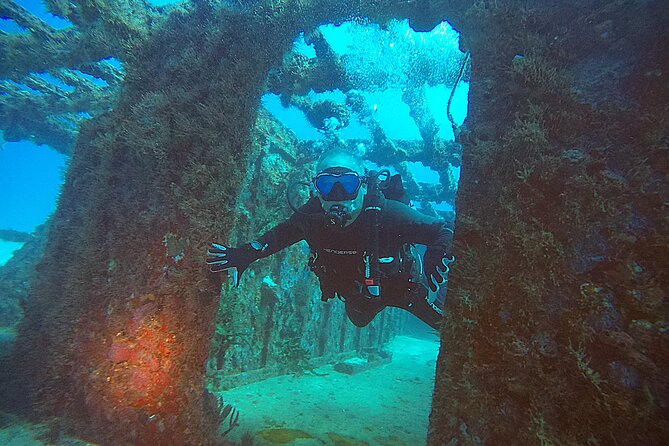
Your first tank session is on the shipwreck site, either C-58 or C-55. Which one you get depends on conditions, but the value is the same: you’re exploring a man-made structure designed to become habitat.
Why that matters for your experience: wrecks create a sense of “place.” You have angles, surfaces, and routes that naturally guide your attention. Instead of scanning randomly, you can follow the geometry of the wreck and look for the marine life that uses the structure for shelter and feeding.
The shipwreck is often the highlight for people who want more than just reefs. Even on days when visibility is merely good, structure helps the experience stay interesting. In the feedback you’ll see a consistent theme: the shipwreck part is where the excitement spikes.
Also note that the team takes comfort seriously. In at least one account, support staff went out of the way to make a diver more comfortable because oxygen consumption can vary person to person. That’s a reminder to tell your instructor or guide how you handle air early on, so they can set you up well for the day.




Second underwater stop: Cancun reef and the artificial reef zone
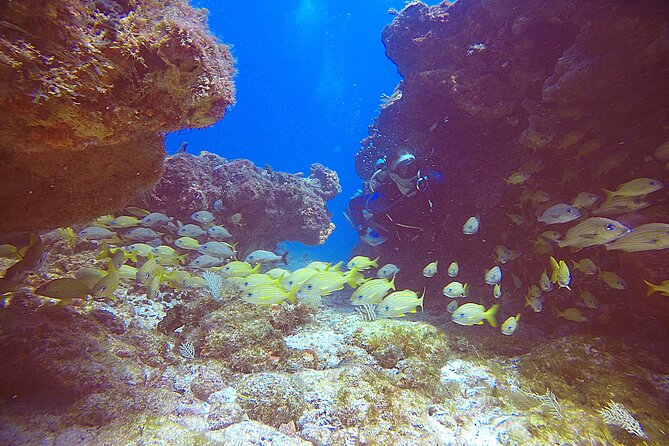
The second tank session shifts to a reef area around Cancun, with the goal of showing you where you can see more varied marine life. It’s not presented as a generic reef swim; it’s geared toward finding lively spots around the artificial reef.
Artificial reefs tend to work like magnets: they give fish places to shelter and feed, and they encourage growth over time. That often leads to more consistent sightings than you’d expect from an open-water plan.
For you as a certified diver, it’s also a nice pacing choice. Starting with the wreck gives you structure and a clear “mission.” Then the reef gives you a different feel—less metal-and-wood structure, more living reef signals. Two very different underwater moods in one morning/afternoon.
Small group reality: how it feels with max 6 people
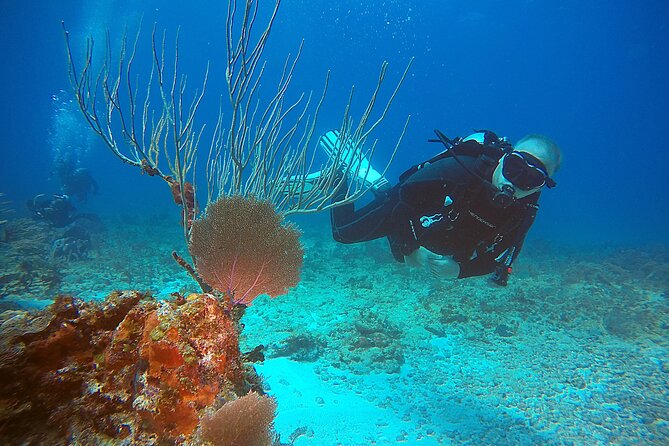
A maximum of six people might sound like a marketing detail, but it affects how the day feels in the water. It usually means:
- more personal attention during gear checks
- easier spacing when you’re heading underwater
- fewer delays while staff wrangle equipment and paperwork
This matters most if you’re still building confidence with buoyancy or you’re the type who likes clear guidance. One of the best pieces of feedback you’ll see about the experience is how professional and friendly the staff are during the run-up, including the fitting process and help once everyone is ready.
Also, the group size makes language support more useful. This experience is offered in English, and that can be a big deal if you want to understand safety instructions and dive planning without guessing.
Gear checklist: what to bring and what to avoid
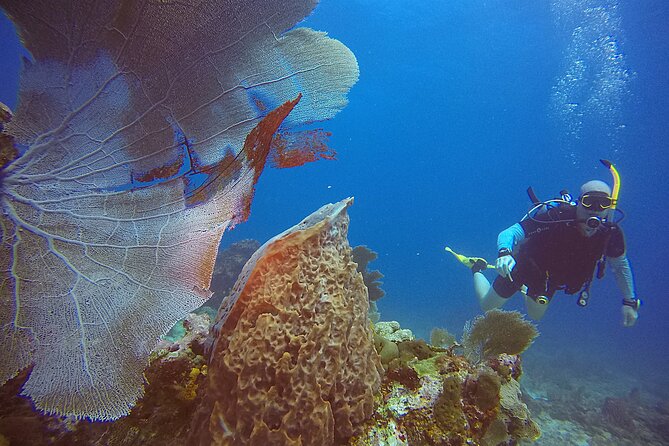
Here’s what you’ll want to pack based on the stated requirements.
Bring:
- Your scuba certification card (physical or digital/picture)
- Swimsuit and/or things you’ll want for changing
- Towels
- Any personal care items you plan to use
- Anti-nausea pills if you’re prone to motion sickness (best taken 1–2 hours before boarding)
Avoid:
- Sunscreen/sunblock. It isn’t allowed for coral protection.
That sunscreen rule is easy to underestimate. If you’re the type who assumes any sun protection is fine, you’ll want to adjust your plan. Think shade and clothing, and use only what you’re allowed to use on the reef.
Health rules and timing: important before you book
This is not a casual activity with a “maybe you’ll be fine” vibe. The rules are clear: people with asthma, heart or brain problems, high blood pressure, lung lesions, organ transplant, diabetes, epilepsy, or any surgery less than 1 year cannot participate in the underwater sessions.
So if any of those apply to you (or to someone in your group), don’t wait until the last minute. The medical statement is part of the process, and you want to avoid disappointment.
Timing also matters if you fly. You’ll need to rest 24 hours after diving before taking an airplane. Plan your schedule so you’re not booking a flight the next day. If you’re already traveling around Cancun, build in that buffer.
Who should book this 2-tank wreck and reef trip
This tour fits best if:
- You’re a certified diver with at least open water certification.
- You want two different underwater experiences (wreck structure + reef life) in one outing.
- You prefer a small-group setting with smoother attention and pacing.
- You’d like gear and wetsuit provided so you can travel lighter.
It might not be the right choice if:
- Health rules disqualify you based on the listed conditions.
- You can’t plan for the 24-hour flight rest window.
- You dislike boat rides (and you don’t want to take anti-nausea measures when recommended).
Should you book this Cancun wreck-and-reef trip?
If you want an efficient, well-run, two-tank scuba experience in Cancun—one that mixes shipwreck structure (C-58 or C-55) with a reef area meant for varied marine life—this is a strong pick. The value holds up because gear and wetsuit are included, and the operation covers national park entry and dock fees so the price feels more complete.
Book it if you’re comfortable following safety and health rules and you can plan for the 24-hour post-water rest before flying. Skip or reconsider if you need flexible medical accommodations, can’t handle boat motion, or forgot you can’t use regular sunscreen for coral protection.
FAQ
FAQ
Do I need my scuba certification card?
Yes. You’re required to bring your scuba certification card (plastic, digital, picture, etc). The activity is for minimum open water divers or equivalent.
Are two tank sessions included?
Yes. The tour includes two tank sessions: the first on the shipwreck (C-58 or C-55) and the second on a Cancun reef.
What scuba gear is included?
Full scuba equipment is included, including BCD, regulator, mask, and fins. You’ll also get a wetsuit, tanks, and weights.
What should I bring with me?
Bring your swimsuit and/or personal items for changing, towels, and any personal care items you plan to use. You should also bring your scuba certification card.
Is transportation from my hotel included?
No. Transportation from your hotel is not included.
Is sunscreen allowed?
No. Sunscreen/sunblock is not allowed for coral protection.
Are there health conditions that prevent participation?
Yes. People with asthma, heart or brain problems, high blood pressure, lung lesions, organ transplant, diabetes, epilepsy, or any surgery less than 1 year cannot participate.
What if I’m planning to fly after the trip?
You need to rest 24 hours after the underwater sessions before taking an airplane.
How many people are in the group?
The activity has a maximum of 6 travelers.
More Scuba Diving in Cancun
- Diving in the Mexican Caribbean for Beginners | 2 Tanks 2 Dives | All Inclusive★ 5.0 · 431 reviews
- Two Tanks Scuba Diving for Beginners in Cancun★ 5.0 · 233 reviews
- Scuba Diving Under Water Museum and Reef for beginners★ 5.0 · 189 reviews
- Cancun: Scuba Diving for Beginners, 2 Dives★ 5.0 · 184 reviews
- Scuba Diving (1st time) in Cancun Beginner’s WELCOMED!★ 5.0 · 102 reviews
- Diving in Cancun for Certified Divers | 2 Dives | All Inclusive★ 5.0 · 101 reviews
More Tour Reviews in Cancun
- Chichen Itza, Cenote, and Valladolid Tour★ 5.0 · 24,293 reviews
- Chichen Itza, Cenote & Valladolid Tour with Tequila and Lunch★ 4.5 · 15,789 reviews
- Cancun: Chichen Itza, Cenote & Valladolid Tour with Lunch★ 4.6 · 6,722 reviews
- Early morning Chichen Itza Tour: Cenote and Tequila Tasting★ 5.0 · 6,657 reviews
- Private Roundtrip Transportation from Cancun Airport to Cancun Hotel Zone★ 5.0 · 5,086 reviews
- Cancun ATV Jungle Adventure, Ziplines, Cenote and Tequila Tasting★ 4.5 · 4,873 reviews
Just off the dock: the newest Cancun reviews




Scuba Diving, compared.
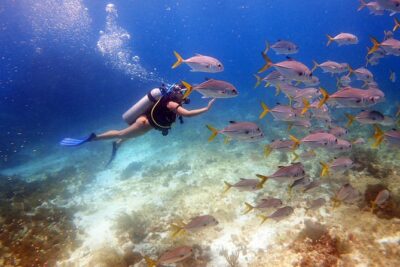 ★ 5.0Diving in the Mexican Caribbean for Beginners | 2 Tanks 2 Dives | All InclusiveFrom $190431 reviews
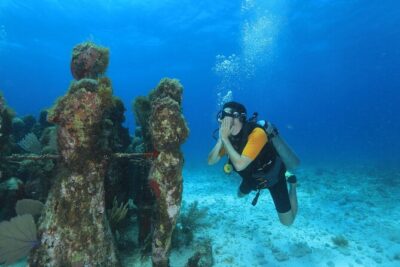 ★ 5.0Two Tanks Scuba Diving for Beginners in CancunFrom $169233 reviews
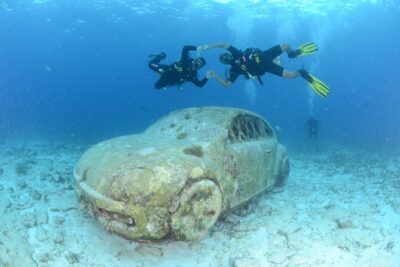 ★ 5.0Scuba Diving Under Water Museum and Reef for beginnersFrom $119189 reviews
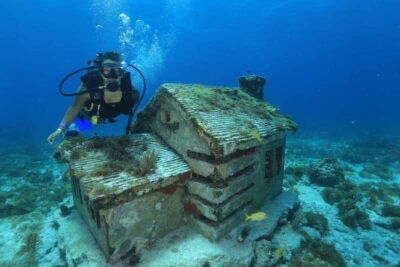 ★ 5.0Scuba Diving for Beginners, 2 DivesFrom $167184 reviews
 ★ 5.0Scuba Diving (1st time) in Cancun Beginner’s WELCOMED!102 reviews
 ★ 5.0Scuba diving at MUSA the underwater museum for certified diversFrom $135102 reviews
 ★ 5.0Diving in Cancun for Certified Divers | 2 Dives | All InclusiveFrom $161101 reviews
 ★ 5.0PADI Discover Scuba Diving for divers without certificationFrom $16977 reviews
Browse the lists this tour appears in