
REVIEW · SCUBA DIVING
Two Tanks Scuba Diving for Beginners in Cancun
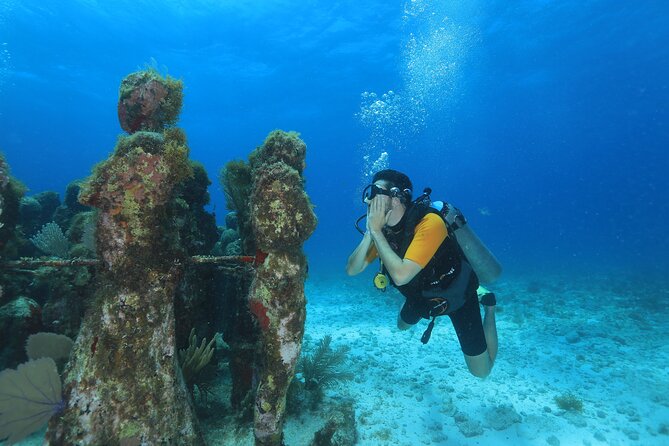
Seeing statues underwater is surreal. This Cancun beginner setup mixes classroom basics, pool skills, and two open-water sessions at MUSA and Manchones Reef, so you know what to do before you drop below the surface.
I love the small group size (max 8). It means you get real coaching time instead of feeling like you’re being shipped from one step to the next. I also love the way the guides keep first-timers calm and organized, with patient instruction from instructors like Marin, Lorena, and support from Carolina.
The main drawback to consider: you must pass the water skills for safety, and you need to be medically cleared. If you can’t complete the required tasks in the water, you won’t be able to take the underwater sessions and there’s no refund for that reason.
In This Review
- Key highlights to look for
- How the morning works: check-in, timing, and what you’re doing first
- Price and value: what $169 buys (and what doesn’t)
- Your setup: medical form, swimming skills, and “skills or no underwater time”
- Pool lessons and theory: how first-timers get ready for the real sites
- MUSA Underwater Museum: the first tank session and what you’ll see
- Manchones Reef: the second session, wildlife spotting, and why people remember it
- Guides, gear, and small-group attention: why max 8 changes the feel
- Boat timing, motion sickness, and what to bring so you’re comfortable
- Who this is best for (and who should think twice)
- Should you book this beginner two-tank course in Cancun?
- FAQ
- What health conditions disqualify me from this activity?
- Do I need to know how to swim?
- What’s included in the $169 price?
- How long is the experience and when do we start?
- Is sunscreen allowed?
- What happens if the trip can’t run due to weather?
Key highlights to look for
- Two sites, two moods: MUSA’s statues first, then Manchones Reef’s wildlife mix
- Training before water: basic theory plus pool practice with an experienced instructor
- Small group vibe: max 8 people, so you get hands-on help
- Guide names you’ll hear a lot: Marin, Lorena, and Carolina show up across the experience
- Safety-first screening: a medical questionnaire decides who can go
- Photo/video option: extra keepsakes if you want them
How the morning works: check-in, timing, and what you’re doing first
This is built as a 5-hour outing with a clear flow. You check in at 8:00 a.m. and the boat typically leaves later, around 9:30 a.m., with you back at the meeting spot about 1:00 p.m. That schedule matters because your day has two phases: get trained, then get underwater.
Before any water time, you fill out a medical questionnaire. The rules are strict. If you have asthma, heart or brain problems, high blood pressure, lung lesions, organ transplant, diabetes, epilepsy, or if you’ve had surgery within the last year, you can’t participate. This isn’t just legal paperwork. It’s the gating item that keeps the group safe and the training consistent.
Also note the practical “human stuff.” You’ll be on a boat, and you should plan for motion. The operator recommends anti-nausea pills 1–2 hours before you board. If you’ve ever felt queasy on fast water, this one detail can make or break your comfort.
Stacks up well against these Cancun picks:
- Diving in the Mexican Caribbean for Beginners | 2 Tanks 2 Dives | All Inclusive★ 5.0 · 431 reviews
- Two Tanks Scuba Diving for Beginners in Cancun★ 5.0 · 233 reviews
- Scuba Diving Under Water Museum and Reef for beginners★ 5.0 · 189 reviews
Price and value: what $169 buys (and what doesn’t)
At $169 per person, you’re paying for a full beginner package, not just transportation to a site. What’s included is the part that makes this good value:
- Basic theory and pool lessons
- Two tank sessions: one at MUSA Underwater Museum, one at Manchones Reef
- Full scuba gear: BCD, regulator, mask, fins
- A wetsuit
What’s not included is also important to know up front. Photos and videos are optional, and you handle hotel transportation yourself. So if you’re counting dollars, this is really about getting the most training and coaching you can for your money, then buying keepsakes only if you want them.
One more value note: the tour is capped at 8 travelers. That usually correlates with more time with instructors and fewer safety checks done in a rush. In beginner situations, that extra attention is worth a lot.
Your setup: medical form, swimming skills, and “skills or no underwater time”
This experience is designed for beginners who can swim, and it also filters for people who can handle the required tasks. You need to know how to swim. You also need to be able to perform the basic scuba skills in the water during training. If you can’t, you won’t be able to take the underwater tank sessions for safety, and there isn’t a refund in that situation.
That sounds stern, but it’s fair. Scuba is partly technique and partly body control. You’ll be asked to demonstrate skills as part of the pool training so the instructor can confirm you’re ready.
There’s also an age and fitness angle. Children must be at least 10 years old, the max age is 65, and you should have moderate physical fitness. If that describes you, you’re in the target range.
Finally, plan your day around air travel. After your underwater sessions, you need to rest 18–24 hours before taking a flight. If your schedule is tight, this matters.
Pool lessons and theory: how first-timers get ready for the real sites
The training phase is not just a checkbox. You do a basic theory lesson, then pool practice with an experienced and qualified instructor. The goal is to help you learn the equipment and the basic body habits you’ll need underwater—so you’re not guessing once you’re in open water.
The good sign here is that the experience is structured. First you learn the concepts. Then you practice the movements where it’s easier to recover and ask questions. In the pool, you’re typically taught the essentials you’ll repeat underwater with the instructor watching closely.
From the patterns in the experience, instructors like Lorena and Marin come across as patient and alert to panic. That matters because a lot of beginners aren’t afraid of the ocean; they’re afraid of not knowing what to do. Clear coaching in the pool lowers that risk fast.
The guides also bring practical problem-solving. You should bring what you’ll need for personal care (like a towel and swimsuit), and keep your phone and other valuables protected. If you want to use a waterproof sack, it’s a smart move for staying organized during the boat ride.
MUSA Underwater Museum: the first tank session and what you’ll see
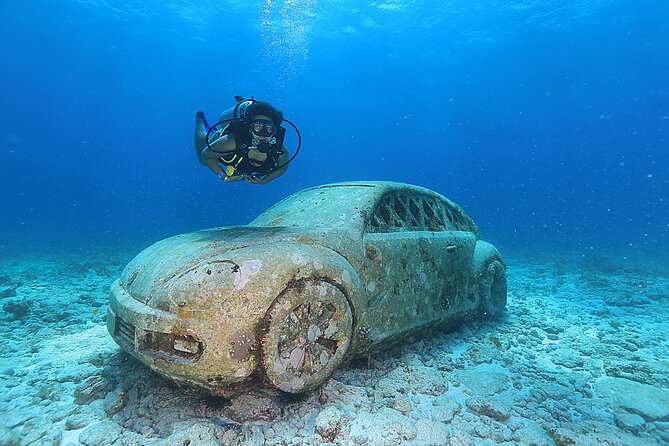
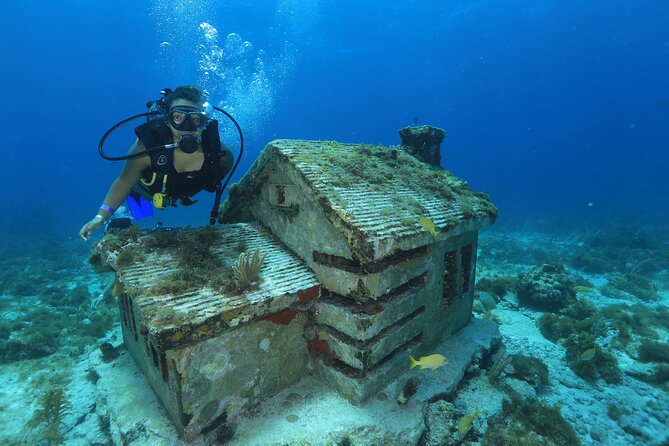
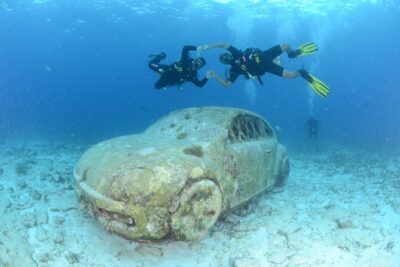
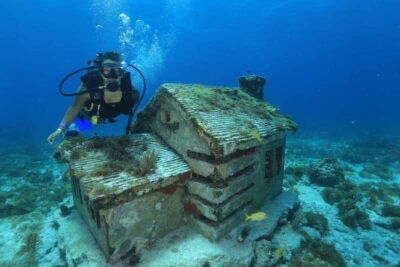
The first underwater stop is MUSA Underwater Museum. This is the one that most people picture before they ever get on the boat: statues down below, arranged like an underwater art gallery.
Why it’s a great first site for beginners: it tends to feel “structured.” You can look at shapes, placement, and details, and that makes it easier to focus on your breathing and buoyancy instead of only scanning for wildlife. The museum theme also helps keep attention where it should be—on staying calm and following the instructor’s signals.
You’ll spend meaningful time underwater during this first tank session, and the instructor will guide you on what to watch for. In similar experiences with this team, guides have been known to point out hidden life and small details under rocks using a flashlight, which turns the underwater experience into more than just scenery.
One caution for MUSA: coral protection rules are real here. Sunscreen or sunblock is not allowed. Even if you love your usual reef-safe formula, don’t bring it for this activity. Plan clothing and shade instead.


Manchones Reef: the second session, wildlife spotting, and why people remember it
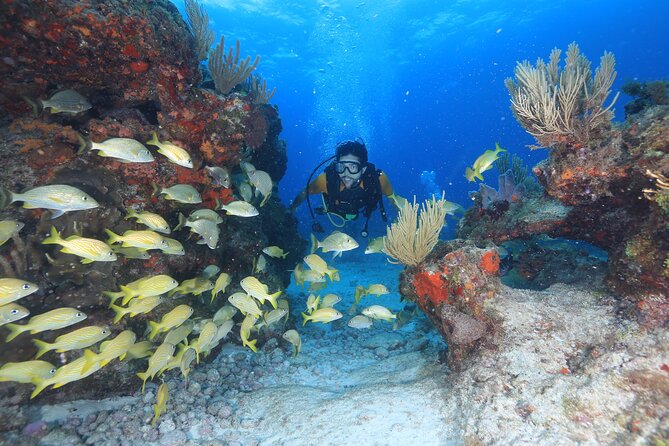
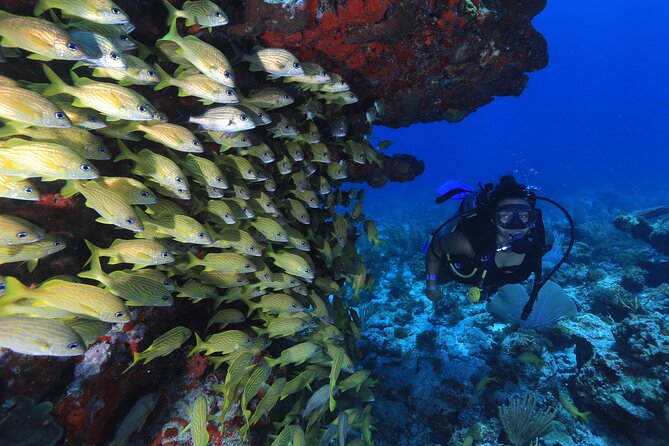
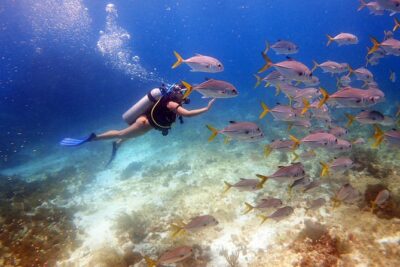
The second tank session is at Manchones Reef. If MUSA is about statues and atmosphere, this stop tends to be about the “living stuff”—fish, reef animals, and the sense that the water is full of motion.
This is where you’ll usually feel the biggest change from the museum setting. Instead of looking at sculptures, you’re watching how animals behave: how they pause, hide, feed, and move through coral structures. The reef setup also gives instructors lots of opportunities to help you spot creatures you might miss at first glance.
This site is especially popular in the stories from the experience because beginners often leave feeling like they got real wildlife time, not just a quick educational pass. The coaching style matters here too. Guides use simple signals and frequent check-ins so you don’t drift into confusion.
Also, Manchones Reef tends to be a great counterpoint to any fear you might have. If you’re uneasy about the open water, having the second site focus on calm observation and clear guidance can put your brain on “notice mode” instead of “worry mode.”
Guides, gear, and small-group attention: why max 8 changes the feel
The operation is built around a small group, with no more than 8 participants. That affects everything. It affects how quickly gear gets fitted, how long questions take, and how often your instructor can confirm you’re comfortable.
It also shows in the way staff names come up often. You may work with Marin or Lorena, with Carolina assisting in check-in and gear support. The repeated mention of these guides is a good signal: the experience isn’t generic. It’s coaching-led.
The gear is included, and it’s a full set: BCD, regulator, mask, and fins, plus a wetsuit. Beginners often underestimate how much gear fit affects comfort. The better the fit, the easier it is to focus on your breathing and hand signals.
Another detail worth respecting: the boat ride and equipment handling can create stress. Some people like using a waterproof sack early so their things stay dry and easy to find. If you arrive prepared, the whole day feels smoother.
Boat timing, motion sickness, and what to bring so you’re comfortable
Your biggest comfort risk is the boat. The operator suggests anti-nausea pills 1–2 hours before you get on board. If you’re prone to seasickness, treat that advice as part of the “required gear,” like fins and a mask.
Packing tips are simple and practical:
- Bring ID
- Bring a towel and your swimsuit
- Bring any personal items you’ll need for your comfort afterward
For sun, remember the coral protection rule: no sunscreen/sunblock. This is one of those “local reality” points that can surprise people who travel with beach habits. Plan for sun protection that doesn’t involve applying sunscreen in-water.
If your stomach is sensitive, plan your day around timing. Eat lightly before the boat, then follow the motion-sickness recommendation. You’ll enjoy the training and the water time more.
Who this is best for (and who should think twice)
This is a strong match if you want to learn scuba basics in one day and do it with hands-on coaching. It’s also a good choice if you like structure: theory first, pool practice next, then two underwater tank sessions at two different sites.
It’s especially suitable for:
- Beginner scuba students who can swim confidently
- People who want smaller-group attention
- Travelers who want a memorable mix of underwater art and reef wildlife
Think twice if:
- You fall under the medical restrictions listed in the screening rules
- You’re not comfortable completing required skills in open water
- Your schedule includes a flight within 18–24 hours after the sessions
- You’re very sensitive to boat motion and haven’t planned for it
Should you book this beginner two-tank course in Cancun?
If your goal is a first real step into scuba with training built into the morning, this is a very reasonable way to do it. The value is strong because you’re not paying separately for gear, pool instruction, or the two underwater stops. The small group limit is the kind of detail that makes beginner learning safer and more pleasant.
Book it if you can swim, you’re medically cleared, and you can realistically rest after your sessions before flying. Skip it if you’re relying on luck or you can’t commit to completing the required water skills.
If you want a Cancun memory that mixes underwater art with reef life, and you like the idea of calm coaching from guides such as Marin, Lorena, and Carolina, this is the kind of day that fits well.
FAQ
What health conditions disqualify me from this activity?
You can’t participate if you have asthma, heart or brain problems, high blood pressure, lung lesions, an organ transplant, diabetes, epilepsy, or if you’ve had surgery within the last year.
Do I need to know how to swim?
Yes. This activity requires that you know how to swim, and you also must be able to perform basic scuba skills in the water for safety.
What’s included in the $169 price?
The price includes basic theory plus pool lessons, two tank sessions (MUSA and Manchones Reef), full scuba equipment (BCD, regulator, mask, fins), and a wetsuit.
How long is the experience and when do we start?
Plan for about 5 hours. Check-in starts at 8:00 a.m., the boat departs around 9:30 a.m., and you’re back around 1:00 p.m. at the meeting point.
Is sunscreen allowed?
No. Sunscreen/sunblock is not allowed for coral protection.
What happens if the trip can’t run due to weather?
If the activity is canceled because of poor weather, you’ll be offered a different date or a full refund. It can also be canceled if a minimum number of travelers isn’t met, with the same options.
More Scuba Diving in Cancun
- Diving in the Mexican Caribbean for Beginners | 2 Tanks 2 Dives | All Inclusive★ 5.0 · 431 reviews
- Scuba Diving Under Water Museum and Reef for beginners★ 5.0 · 189 reviews
- Cancun: Scuba Diving for Beginners, 2 Dives★ 5.0 · 184 reviews
- Scuba Diving (1st time) in Cancun Beginner’s WELCOMED!★ 5.0 · 102 reviews
- Diving in Cancun for Certified Divers | 2 Dives | All Inclusive★ 5.0 · 101 reviews
- Discover Scuba★ 5.0 · 50 reviews
More Tour Reviews in Cancun
- Chichen Itza, Cenote, and Valladolid Tour★ 5.0 · 24,293 reviews
- Chichen Itza, Cenote & Valladolid Tour with Tequila and Lunch★ 4.5 · 15,789 reviews
- Cancun: Chichen Itza, Cenote & Valladolid Tour with Lunch★ 4.6 · 6,722 reviews
- Early morning Chichen Itza Tour: Cenote and Tequila Tasting★ 5.0 · 6,657 reviews
- Private Roundtrip Transportation from Cancun Airport to Cancun Hotel Zone★ 5.0 · 5,086 reviews
- Cancun ATV Jungle Adventure, Ziplines, Cenote and Tequila Tasting★ 4.5 · 4,873 reviews
Just off the dock: the newest Cancun reviews


Scuba Diving, compared.
 ★ 5.0Diving in the Mexican Caribbean for Beginners | 2 Tanks 2 Dives | All InclusiveFrom $190431 reviews
 ★ 5.0Scuba Diving Under Water Museum and Reef for beginnersFrom $119189 reviews
 ★ 5.0Scuba Diving for Beginners, 2 DivesFrom $167184 reviews
 ★ 5.0Scuba Diving (1st time) in Cancun Beginner’s WELCOMED!102 reviews
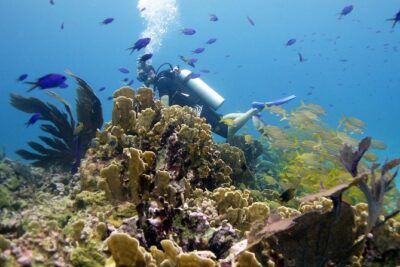 ★ 5.0Scuba diving at MUSA the underwater museum for certified diversFrom $135102 reviews
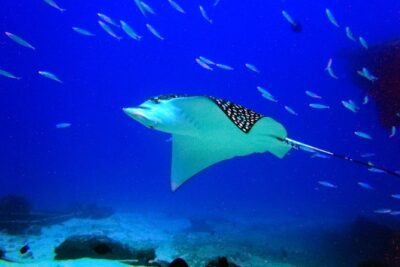 ★ 5.0Diving in Cancun for Certified Divers | 2 Dives | All InclusiveFrom $161101 reviews
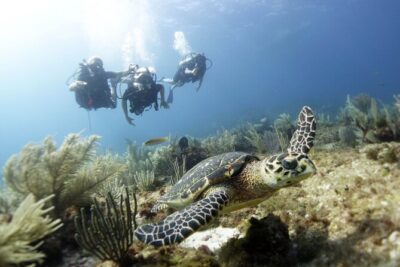 ★ 5.0PADI Discover Scuba Diving for divers without certificationFrom $16977 reviews
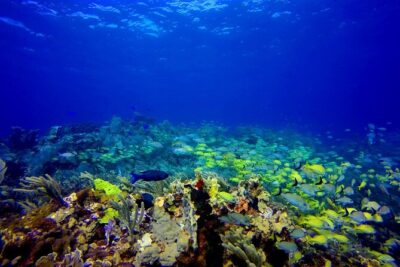 ★ 5.0Scuba Diving Adventure WITHOUT CERTIFICATION! Try it today!From $16057 reviews
Browse the lists this tour appears in